 Coastline Fence Co.
Understanding Its Resilience Across Different Climates
When considering a new fence, how it holds up against weather is crucial. Whether you live in a region with scorching summers or freezing winters, your fence must endure these extremes. Weather conditions can affect the durability and appearance of fencing materials. This article explores how different types of fences respond to various climates, focusing on the strengths and weaknesses they exhibit.
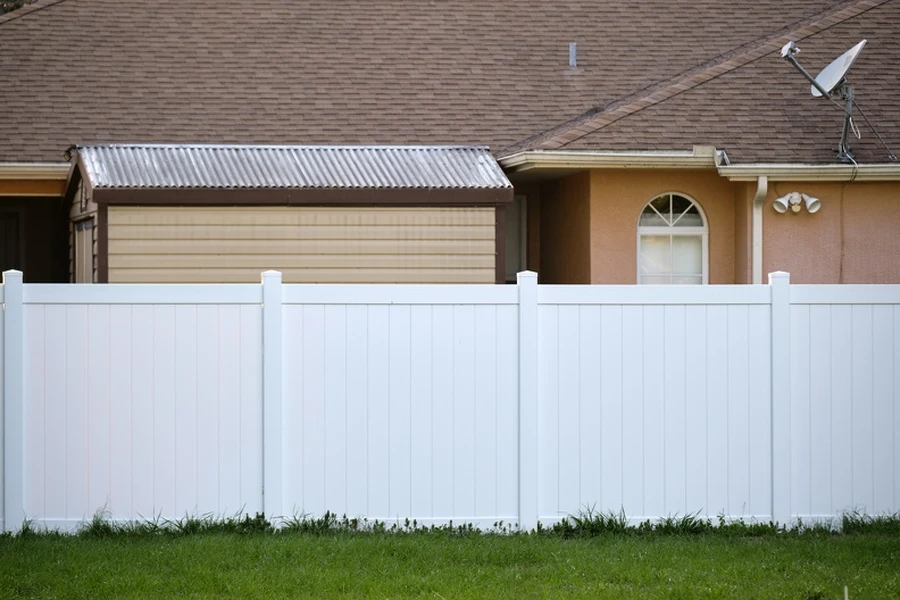
Durability Under Hot Temperatures
High temperatures and strong sunlight can be harsh on many materials, but vinyl fencing tends to handle heat well. These fences are designed to withstand UV rays without warping or fading. Unlike wood, which may dry out and crack, vinyl remains sturdy and maintains its color over time. However, it’s wise to choose products specifically made for sunny climates to ensure lasting performance.
Performance in Cold Climates
In regions where temperatures drop significantly, some fences become brittle and break. Vinyl fencing often excels here too because it is flexible enough to resist cracking under pressure from snow or ice. Its composition allows it to expand and contract with temperature changes without losing integrity. Homeowners in colder areas should consider this option as it reduces maintenance concerns related to damage from freezing conditions.
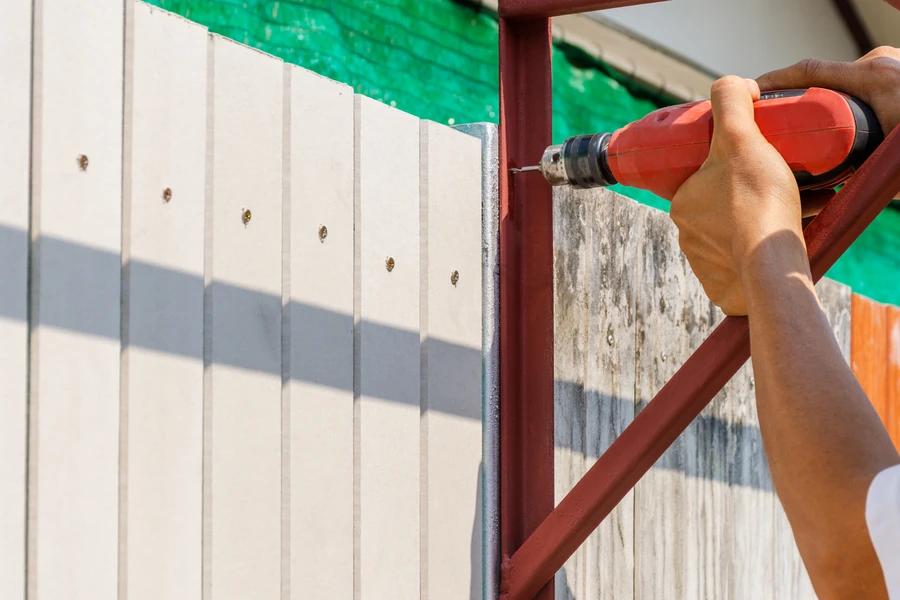
Resistance to Humidity and Rain
Moisture can be a significant problem for fencing, leading to rot or rust in traditional options like wood or metal. Vinyl fencing is non-porous, meaning water cannot penetrate and cause damage. This makes it an excellent choice for wet climates where rain is frequent. The material’s resistance to mold and mildew further enhances its appeal for areas prone to dampness.
Impact of Windy Conditions
Strong winds test the structural stability of any fencing. While no fence is entirely immune to high winds, proper installation can make vinyl fences more resilient. Securing posts deep into the ground and using reinforced panels helps keep them standing firm during storms. Compared to other materials, vinyl’s flexibility offers an advantage by absorbing wind forces rather than resisting them rigidly.
Maintenance Needs Across Seasons
The need for frequent upkeep varies greatly among different types of fences. Vinyl requires minimal maintenance compared to wood or metal. Regular cleaning with soap and water keeps it looking fresh, while inspections after severe weather events help spot any potential issues early. This low-maintenance aspect is appealing for those who prefer less time spent on home care tasks.
Environmental Considerations
Vinyl fences are often considered environmentally friendly due to their long lifespan and recyclability. They do not require chemical treatments like wood, which means fewer pollutants are introduced into the ecosystem. When eventually replaced, vinyl can be recycled, reducing waste and contributing to sustainability efforts. For eco-conscious homeowners, this makes vinyl an attractive option.
Making an Informed Decision
Your choice of fencing impacts both aesthetics and functionality in your outdoor space. Understanding how vinyl performs across different weather conditions helps you make informed decisions that enhance durability and curb appeal. Reach out to Coastline Fence Co. at (310) 457-2139 for expert guidance tailored to your specific needs and location requirements. Based in Malibu, CA, we provide quality solutions designed to withstand local climate challenges effectively.